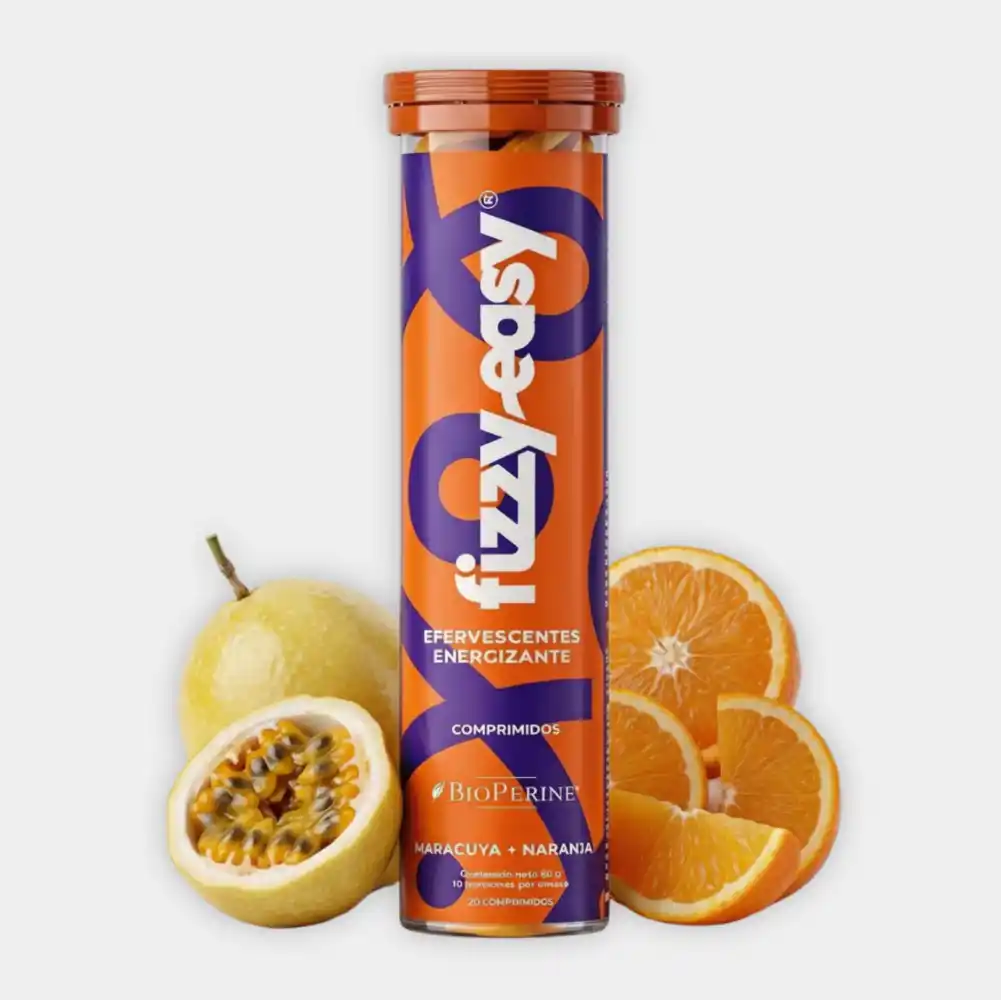
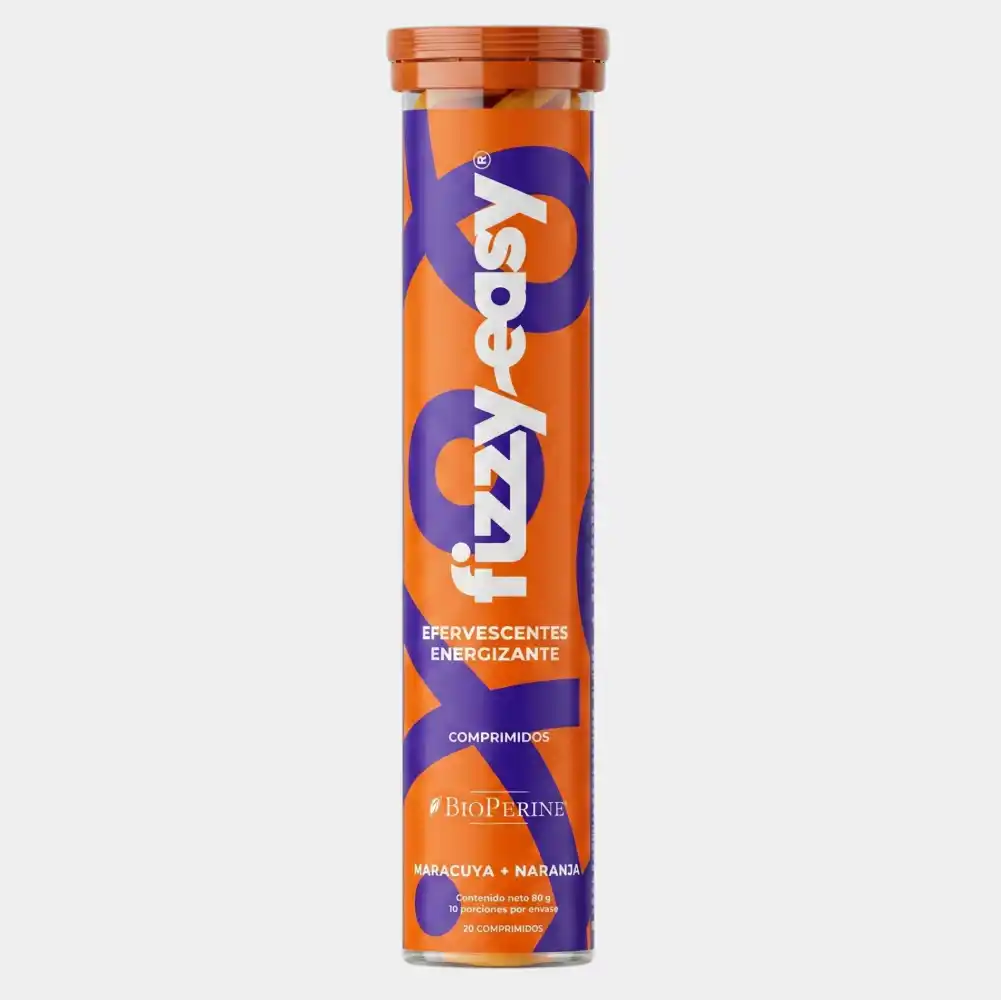
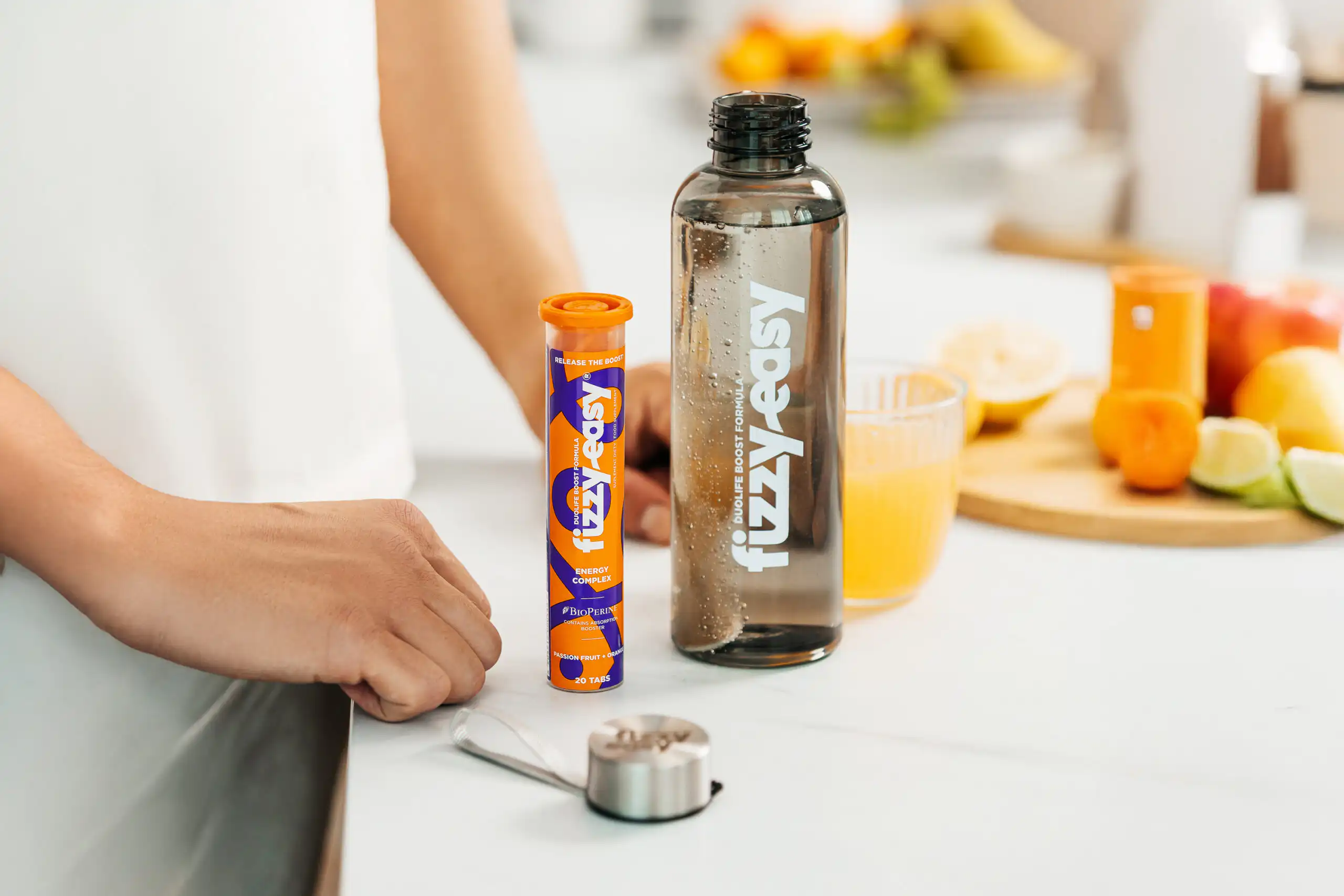
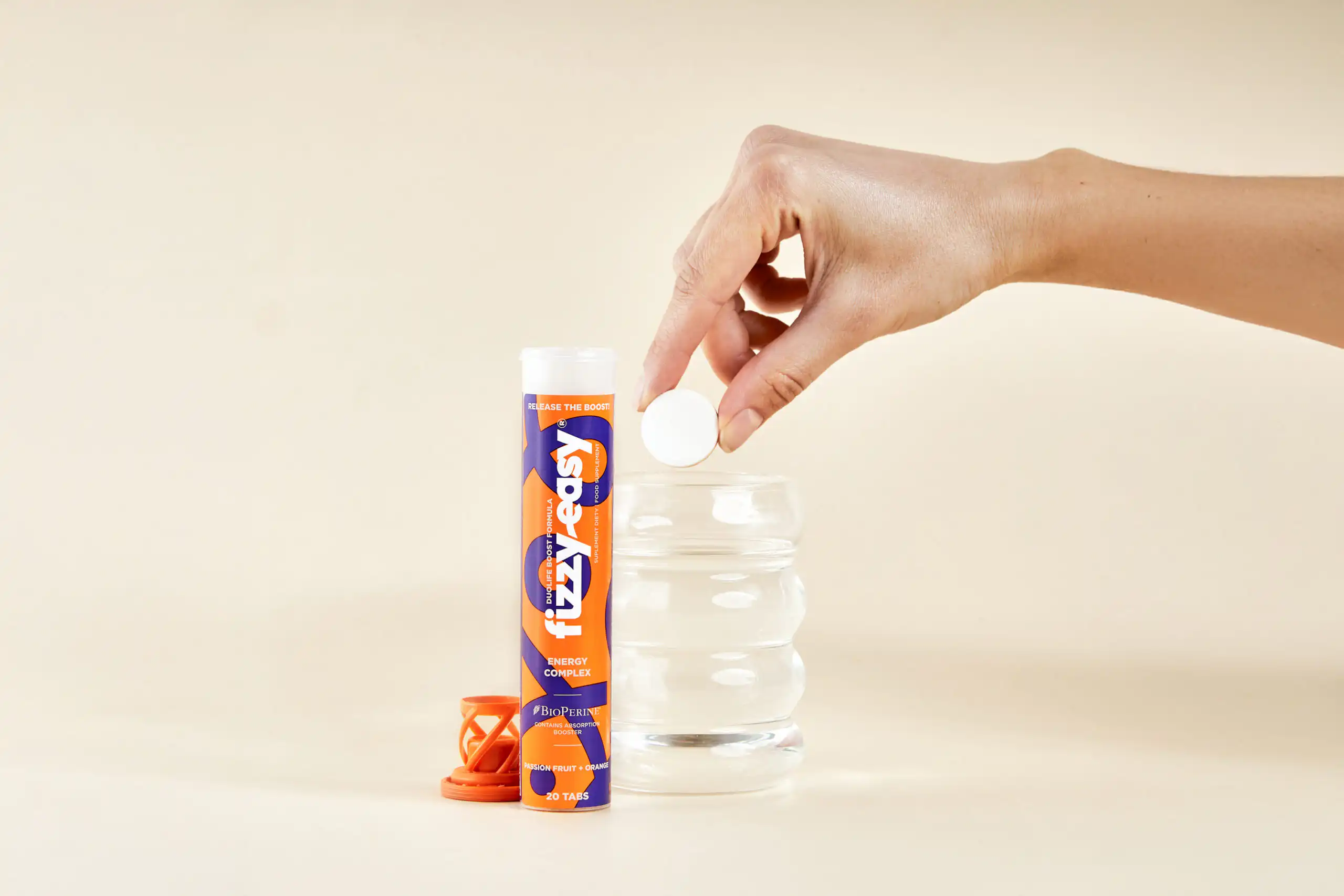
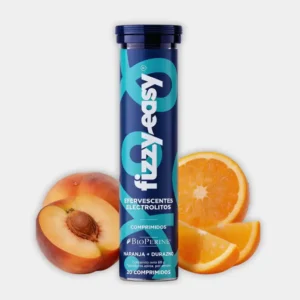
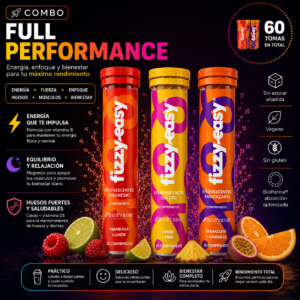
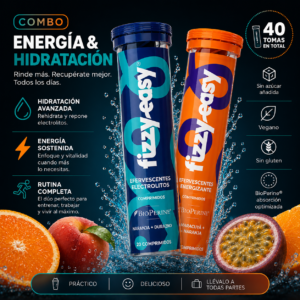
Es una fórmula patentada de origen vegetal a base de extracto de pimienta negra con un contenido muy elevado del 95% de compuesto activo piperina. El contenido de piperina en la porción diaria es de 2 mg. BioPerine® tiene un efecto comprobado por investigaciones y documentado por informes científicos que favorece la mayor biodisponibilidad de los nutrientes de los alimentos y del producto.
*BioPerine® es un ingrediente de Sabinsa protegido por derechos de propiedad intelectual (PI).
1. Meghwal, M., & Goswami, T. K. (2013). Piper nigrum and piperine: an update. Phytotherapy Research, 27(8), 1121–1130.
2. Fernández-Lázaro, D., Mielgo-Ayuso, J., Córdova Martínez, A., & Seco-Calvo, J. (2020). Iron and physical activity: Bioavailability enhancers, properties of black pepper (bioperine®) and potential applications. Nutrients, 12(6), 1886.
3. Alexander, A., Qureshi, A., Kumari, L., Vaishnav, P., Sharma, M., Saraf, S., & Saraf, S. (2014). Role of herbal bioactives as a potential bioavailability enhancer for active pharmaceutical ingredients. Fitoterapia, 97, 1–14.
4. Badmaev, V., Majeed, M., & Norkus, E. P. (1999). Piperine, an alkaloid derived from black pepper increases serum response of beta-carotene during 14-days of oral beta-carotene supplementation. Nutrition Research, 19(3), 381–388.
5. Badmaev, V., Majeed, M., & Prakash, L. (2000). Piperine derived from black pepper increases the plasma levels of coenzyme Q10 following oral supplementation. The journal of nutritional biochemistry, 11(2), 109–113.
6. Shoba, G, et al. Influence Of Piperine On The Pharmacokinetics Of Curcumin In Animals And Human Volunteers. Planta Med. 1998; 64(4):353–356.
7. Lambert, J. D., Hong, J., Kim, D. H., Mishin, V. M., & Yang, C. S. (2004). Piperine enhances the bioavailability of the tea polyphenol (−)-epigallocatechin-3-gallate in mice. The Journal of nutrition, 134(8), 1948–1952.